Feeds:
Posts
Comments

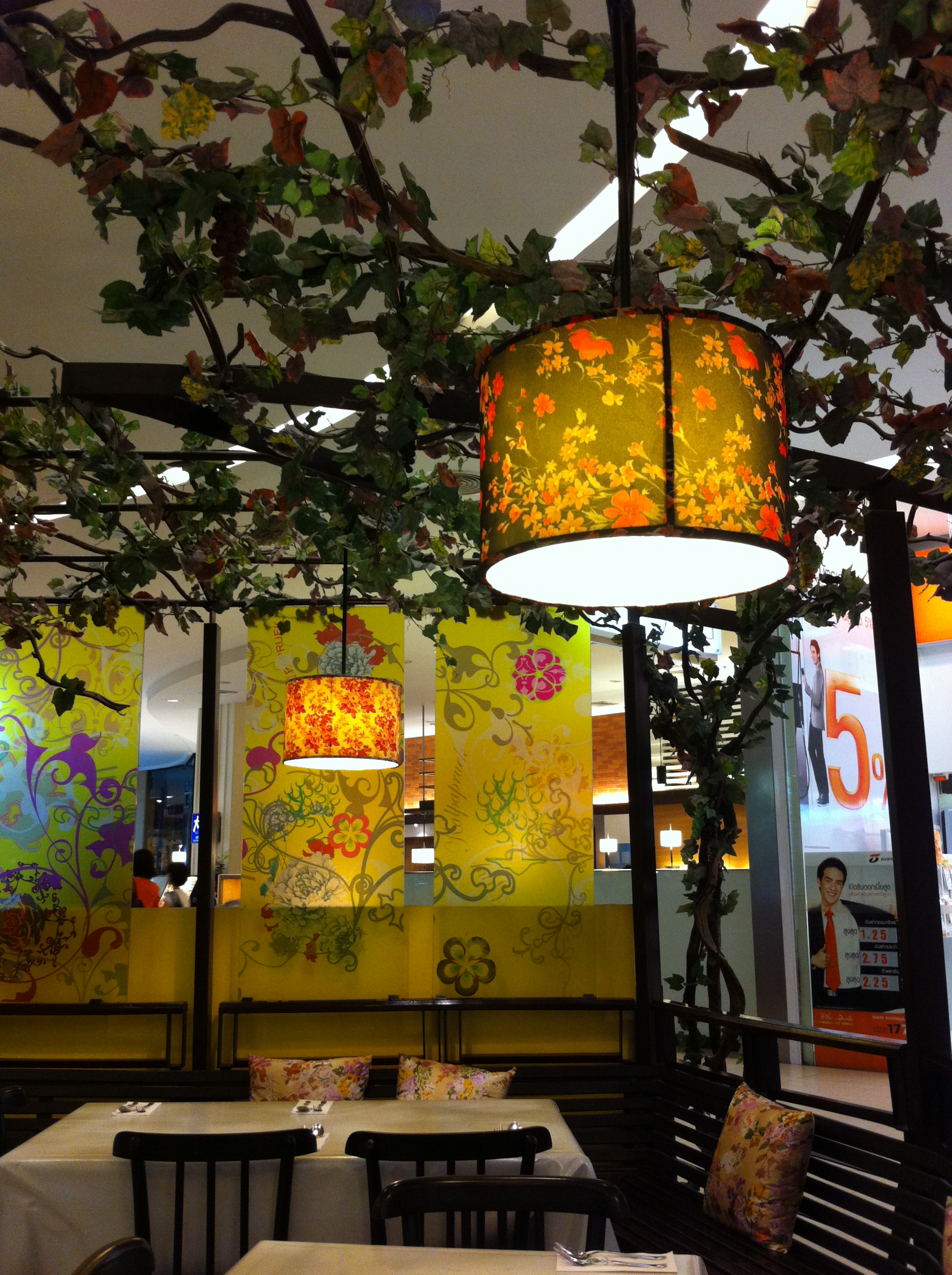
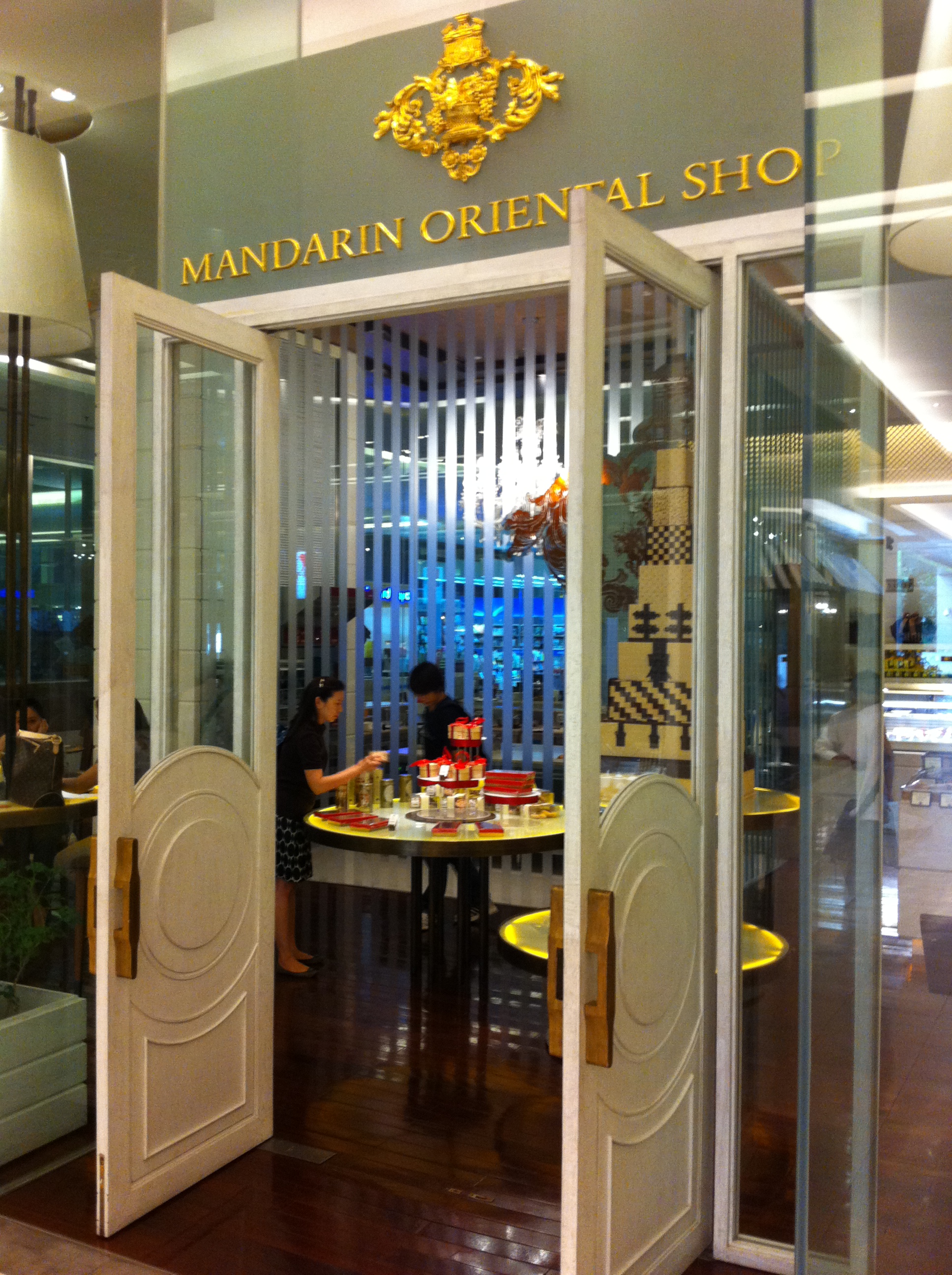
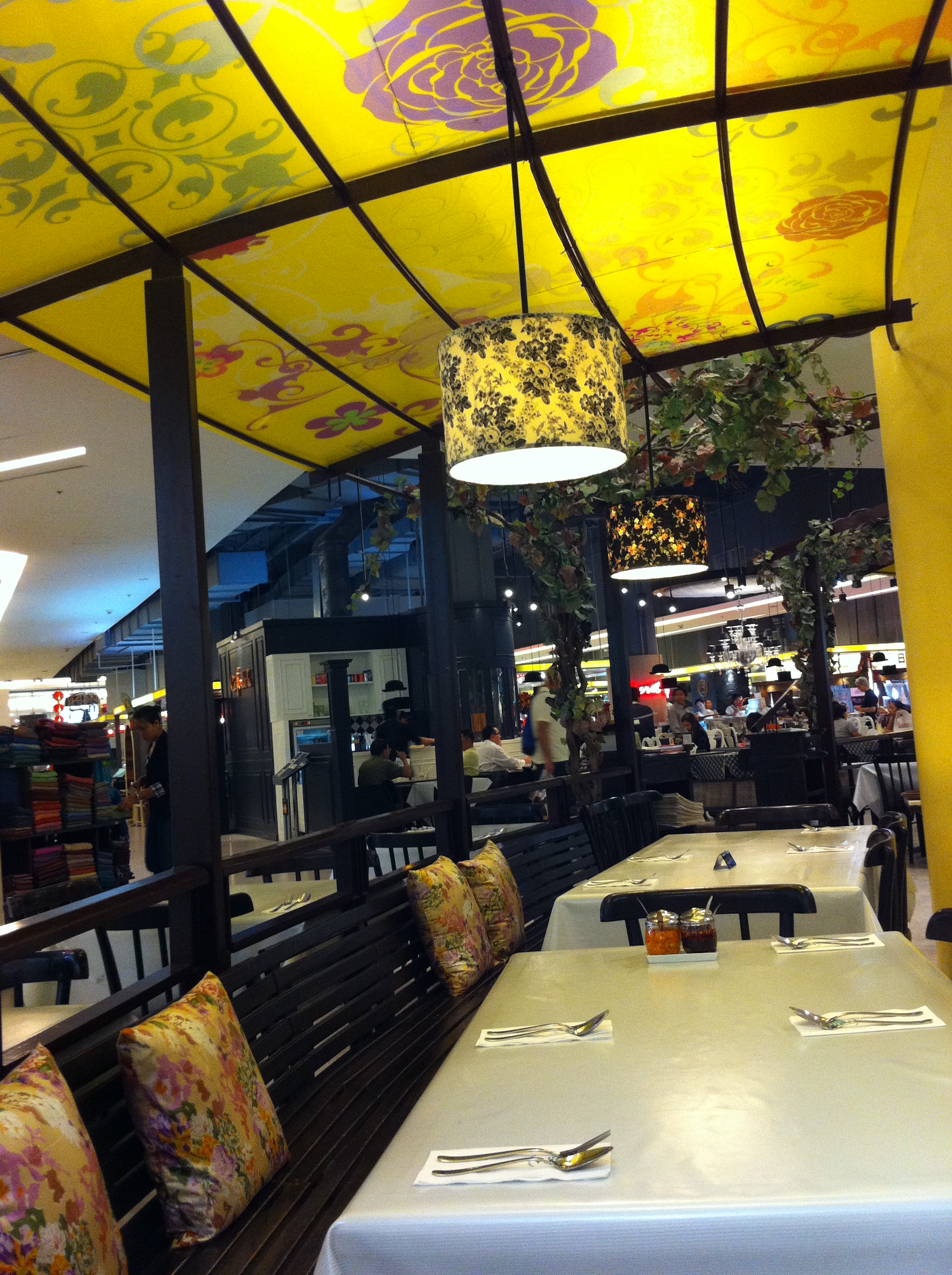
Aside from the super hospitable and friendly people, great cuisine, relatively inexpensive hotels & apartments, natural remedies in terms of herbal products & massages, and gorgeous sunny weather, I have to keep reminding everyone that Bangkok is just beautiful.  No, not only the obvious natural beauties of beaches, landscape, the Palace as well as temples, but Bangkok’s design scene that is both innovative and mind-boggling.  I am no expert in interior design, but I just learn to be thankful and appreciative in everything that brings pleasure and enjoyment to my eyes.

And there is plenty to be thankful for, even if it means confining to one shopping mall for a day.

THANN Addict

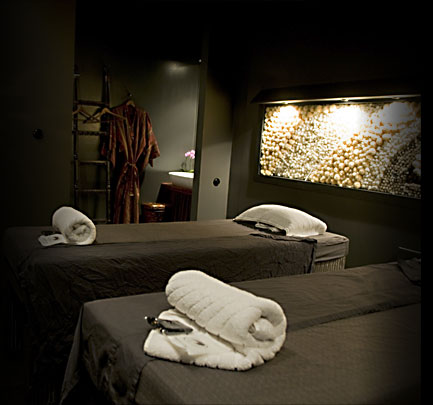
Ok I just have to write this when I am physically still in heaven.  This afternoon I had my forth massage / spa treatment on my fifth day in Bangkok this week.  Amazingly, the four treatments so far are all focused on different problematic areas, and every single one of them works its wonders.  Some people may think it’s a lame excuse, but I always believe that we need to treat our bodies right, whether it is eating tasty food, or better yet eating the right and nutritious food,  exercising, and relieving all its aches and pains from the daily chores and pressures of life itself.  Without a fit body, even the brightest mind can’t do anything.  Not anyone can be Stephen Hawking, period.

Among a million other reasons, having the luxury and professional resources to pamper my own physical and mental wellbeing is what I love about Thailand.  The Thais truly understand how important it really is to revitalize our bodies using the most basic herbs and the art of natural therapy.   Aside from traditional Thai massages, aroma massages, and healing stone massages, there are tons of personal products containing the best herbs and essential oils you can find on the planet.  Lemongrass, lavender, rosemary, shiso, peppermint, eucalyptus, and the list goes on. 

I have been a fan of the Thann brand for a long time. Every time I am in Thailand I will stock up on supplies.  I know there is now Thann in Hong Kong, but there is just no comparison visiting the holy temple from where this all originates.  Even though I just bought a load in my last trip here in November last year, I still found myself hypnotized to visit its store on my second day in the city.  In the new arrivals section, I found this cutest little electric incense diffuser that I couldn’t say no to.  I haven’t used my incense burner for some time, probably due to the mess of candles and the scary thought of burning my apartment down in the middle of the night.  Now with this unit that diffuses aroma by ultrasonic oscillation without heating or burning the essential oils, it feels safer and also maintains the original effects of the oils at the same time.

Alright, with the new diffuser, comes a replenished supply of large size (50ml) essential oils.  I picked their Flower & Vanilla blend oil (lavender, rosemary, geranium), Enigmar blend oil (rosewood, rosemary, marjoram), Mediterranean Floral oil (lavender and rosemary), Sea Foam oil (peppermint, thyme, rosemary and eucalyptus), and Woody Floral blend oil (orange, cedarwood, ylang ylang, tangerine, bergamot, clove, sandalwood), enough to make my whole apartment floor smell like a spa center.  In addition, I also bought a gift set that contains three small size (10ml) oils of Sea Form, Oriental Essence (lemongrass) and Aromatic Wood with potpourri.  One more Mediterranean Floral Natural Flax Seed eye mask and essential oil that offers heated pressure relief on the eyes, all added up to a huge heavy bag of soothing goodies for me to bring home and indulge in the next few months. 

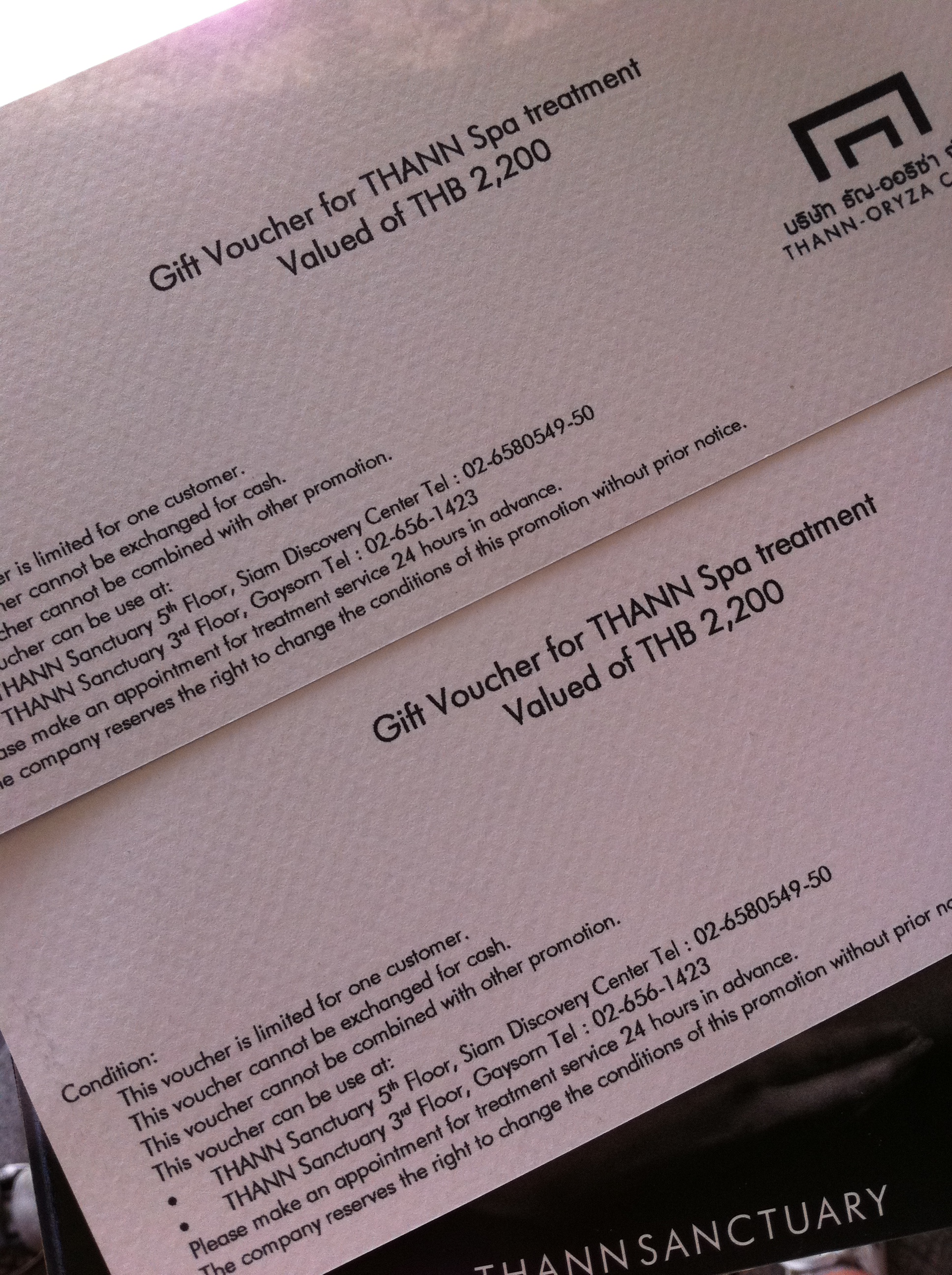
No that’s not enough.  To thank my apparently generous patronage, the store gave me two huge sets of gift boxes that contains at least a dozen samples of body gel, shampoo, conditioner, lotions and soaps in each.  I don’t think I will ever finish it all, but it will be welcoming gifts for just about everybody.  The storekeeper asked me when I would be leaving Thailand, which was a question I did not expect.  Turned out he gave me two gift vouchers to their renowned Thann Sanctuary which is worth any spa treatment of THB2,200 each.  That is good for a 2-hour spa treatment of just about anything.  I didn’t expect this.  What a pleasant surprise.   For a spa and massage maniac like I am, this is literally like a further 30% off my entire purchase.

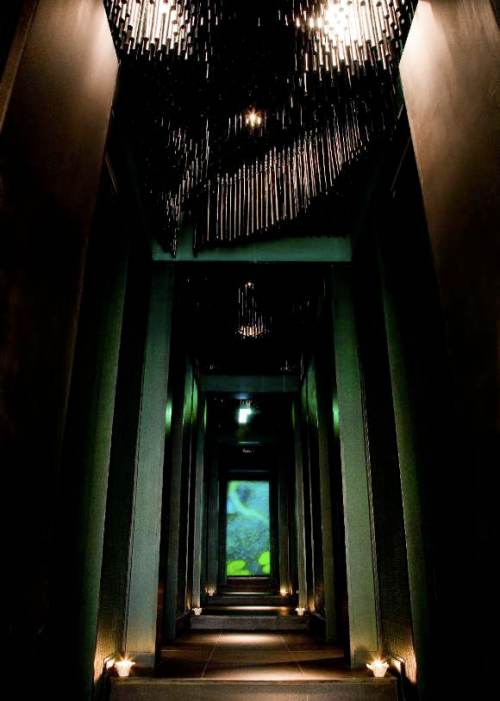
It was indeed marketing investment well spent on their part.  After enjoying the 2-hour Thann Sanctuary Signature Massage with my local friend,  I have to admit it is by far the best spa treatments I have ever had, and that includes 5-star hotel spa experiences.   I think aside from the massage techniques, the fact that they couple with their signature oils and products, and that its small establishment provides the coziness that no fancy grand hotel spas can compete with.  While I am wholeheartedly recommending the place to my friends, I hope that it will forever remain to be a small-sized hidden gem that provides individualistic services to its customers.

And I also just found out that they have a Thann  Tea Cafe in both Gaysorn and Paragon, as well as a florist.  What a great lifestyle brand.  If they continue to offer sincere marketing promotions to its customers, I am sure it will convert many more of them, not that they have not already, into loyals, like I do.

A healthy and balanced body brings a healthy mind.  And a healthy mind brings fortune in life.  Not a great saying perhaps, but it’s my saying.
 

Chinese President Hu Jintao is in the United States this week and it’s all over the news on CNN, NBC, ABC and CBS.  Many nightly news programs are using the opportunity to present news features comparing the 2 superpowers.  Last night, CBS talked about how few American students  (around 50,000) are learning Chinese at schools while 200 million Chinese are learning English since young. 

That former figure is certainly climbing.  In America, the number of schools offering Chinese as part of their curriculum has climbed from 300 in Year 2000 to over 1,600 in 2010.  An 8-year old boy answered CBS reporter that he believes he might get a better job and a raise when he grows up, knowing Chinese.

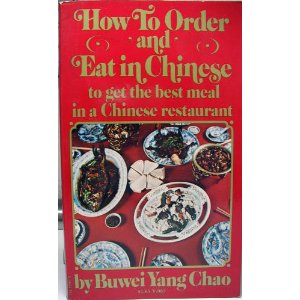
I just can’t help but burst out to laughter when the same question was raised to Natalie Love, a student at City Terrace Elementary.  In the most adorable and innocent manner, she replied “I think they (her parents) wanted me to learn Chinese because they like to go to Chinese restaurants“.

How cute is that?  Go Natalie!

For many who own a slightly higher tiered credit or charge card in the city, they get to enter the Plaza Premium lounges at the Hong Kong International Airport while waiting for boarding.  Obviously it’s no The Wing, The Pier, The Cabin and The Arrival lounges operated by Cathay Pacific for its loyal customers, but over the years I have seen it revamping into a much improved product since inception. 

The lounge is heavily visited since it began to serve other airlines when CX either closes their doors or is simply too expensive for them.  I don’t know whether it’s mob mentality, but patrons here are generally not paying  hefty buffet charges.  Why are they devouring their food?  Sure there must be starving passengers somewhere who have been stranded for hours, but there is simply no point jamming in all those stale salads and sandwiches.  And what’s the deal with stuffing all those sodas and bottled waters in their carry-ons?

This reminds me, air travel is still considered a chore these days.  Surely it has been glamorized by fancy new seats and upper class cabins, but for the majority, cramming into those 3-4-3 economy seats for 6 to 14 hours is a nightmare.  No elbow room, no leg room, hardly any service, crying babies, rude passengers, smelly neighbors, long lines at the toilets, malfunctioned entertainment units, hardly covers all that to dread for.  Not to mention the multiplied misery if it is a business trip.

That explains why patrons at the airport lounges behave like inmates ready for detention.   To add-on, airports are notorious in charging exorbitant prices on food that is far below mediocre in city’s standards, and travelers just have to make do with anything free.

So this is all about supply and demand.  Since air travel is almost the only mode of transportation internationally (at least for most of Asia), the airlines can pretty much dictate what service levels they will provide or what food they serve.  The airports can make profits from their captive customers, and anything related to air travel including airport limousines, express railways and taxis are all entitled to charge much higher fees.

With that huge demand over limited or even monopolized supply, anyone who believe negotiations over price discounts, bonus offers or upgrades in the travel industry can produce material results, are seriously mistaken.  It’s still better than not doing anything, if the purchasing volume is sizable.  However, the results are not going to help you make any significant numbers. 

That’s why I prefer to leave travel procurement to my capable teammates, while I focus on reviewing the travel policy with our CEO.   Don’t expect miracles to happen there either, because as far as business travel welfare is concerned, I will never see the CEO picking the lounge where I am at today, over the champagne and caviar that he gets to enjoy on board.

I was watching NBC’s Nightly News today with a feature on “Tiger Moms”.  Apparently, Amy Chua, a Yale Law School professor and an American-born Chinese, wrote an essay in the Wall Street Journal on Saturday, titled “Why Chinese Mothers Are Superior.”  The essay was an excerpt from her new book, “Battle Hymn of the Tiger Mother,” which will be released Tuesday in the United States.  The essay has striked up very heated debates since Monday, together with over 284,000 “likes” on Facebook so far.

In the essay Chua writes about her personal account of Chinese parenting and to many westerners, the term should be “extreme parenting”.  Chua identifies three key qualities in Chinese parents that enable “success”, namely:

  • a lack of fussing over their children’s self-esteem;
  • a belief that kids owe their parents everything; and
  • an unshakeable belief that the parents know what’s best.

Chua cited examples that her two daughters were never allowed to do:

  • attend a sleepover
  • have a playdate
  • be in a school play
  • complain about not being in a school play
  • watch TV or play computer games
  • choose their own extracurricular activities
  • get any grades less than A
  • not be the No. 1 student in every subject except gym and drama
  • play any instrument other than the piano or violin
  • not play the piano or violin

According to NBC, “…the article sounds so incredible to Western readers – and many Asian ones, too – that many people thought the whole thing was satire.”

What do I think?  Well I am eternally grateful for the wonderful job that my parents had done raising me and my sister, and honestly I do think my Mom was pretty strict with us.  However I’d like to think that she tried her hardest to ignite that fire and passion within us that triggered ourselves to not take second place as an option, in everything we do.  I do remember I was soon put on autopilot because I myself was worried about my own grades, my performance in school, and how I fared in my extracurricular activities.

Not allowed to be in a school play?  Never, and I really don’t see the relevance here.  My Mom only cared about my grades, and I remember there was only one time in my entire school life that I got an “F” in Math, and I was truly devastated.  I really meant it.  I thought my whole life was coming to an end.  That summer, I worked so hard that I got full marks the next term.  I don’t think it was the pressure from my parents.  Instead, it was me who had been pressuring myself all along.  I could join all the extracurricular activities I wanted, but the few I took already occupied all of my free time other than studying at home.  Again it wasn’t because of my Mom, but rather my school.  The school required every student to pick up a musical instrument, and yes for me it was the violin, picked by my parents.  The school was ambitious to have a strong musical track record in the inter-school open competition every year, and all those who could carry a tune was automatically enrolled to be a chorus member.  Same thing with school orchestras.  It was hard work.  We were required to attend trainings and rehearsals almost every day, after school, including weekends and holidays.  Though for us kids at the time, it was really an honor to be picked to represent the school in the first place.

So in a nutshell I think it was the combined surrounding that made us the way we are now.  My sister and I had been quite mature since we were small, because we had lots of grown-ups coaching us to do “grown-up things” early on.  Getting good grades, enlisted as school prefects, representing the school in open competitions, really got to you in many ways.  What I really appreciate about my parents, in much less superficial ways than no watching TV or not getting straight As, was how they taught us through practicing the very principles themselves.

Don’t you hate it when grown-ups used double standards when they preached?  Not with my parents.  When we were supposed to study, everyone went silent.  No one watched TV or listened to the radio.  When we went out, my parents were polite, courteous and well-mannered to everyone so as to teach us social responsibility.  We were taught about manners and posture like how to stand up straight and  how to eat with others at the dining table.  My parents were not highly educated elites, but they truly made an effort to instill the very best of human values for their children. 

I can’t help to shake my head whenever I see parents yelling at their foreign domestic helpers in front of their kids, screaming at the school teachers that their children are less favorably treated, or barking disrespectful orders at service people in restaurants as teaching material for their 5 year-olds. 

It’s these values training that I would focus on, rather than not getting any extracurricular activities or sleepovers.   For the former, I would opt to bring back the “Tiger Moms” any time!


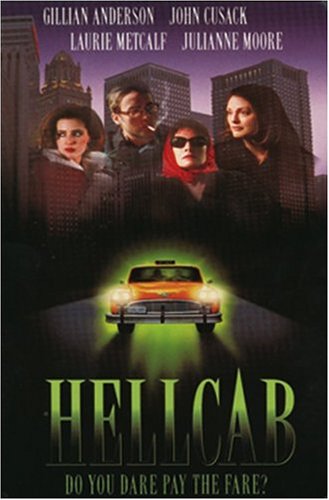
Hell Cab

As I was chatting with friends today over lunch in Macau, my impression of a city is heavily influenced by its cab drivers.  Every single person will have a million (always horror) stories about cab rides somewhere, and it is exactly those 15 to 30 minute 1-on-1 encounter with a stranger that makes our lives so full and eventful. 

Hong Kong cab drivers have improved somewhat over the last 20 years or so.  The SARS period and the economic meltdown played a big part in toning down the temper of a few cab drivers.  The relatively intact public transportation network in the city also means that passengers have slightly more bargaining power when the alternatives are abundant.  I like this kind of co-dependency situation.  Yet I am completely sympathetic over innocent tourists still being gouged just because they look foreign or speak in another language.  I get so worked up over these scumbags tainting the image of our city.

Taipei cab drivers are very chatty.  I see it as a reflection of their friendliness culture.  They often ask me where I am from, what I am doing there and sometimes even comparing price levels of the two cities.  I guess most middle-aged cab drivers there are big fans of the many prime time political talk shows on TV.  I seldom run into cab drivers who don’t know exactly where he is going with the addresses provided.   So that’s good.

Bangkok cabs have plenty of reputation.  I don’t need to be rude at them, I just need to be forceful.  As long as the first 2 minutes of directions, meter pointing and mutual sizing up is past, I am usually relaxed for the 25 minute traffic jam.   Well, they almost never know where I am going other than the major tourist spots.  Apparently, local language instructions from the hotel doesn’t help either.  Great.   I was just lucky that I didn’t end up in Pattaya. 

Kuala Lumpar gave me one of the biggest headaches.  I am really hesitated to go back purely because of the city’s cabs.  I need to bargain, be rejected and almost laughed at.  The public transportation network wasn’t as established the last time I went, and hence I was quite discouraged to go out.   Sorry KL.

Singapore used to be efficient and predictable, but lately I can never hail any cab on the streets.   I was lining up with 10 other people for cabs to go to work from the Grand Hyatt stand, and after a hopeless 20-minute wait, the concierge politely asked me whether I would consider to call for one.  Why not?  Within minutes, an empty, not-for-hire cab who had been waiting by the curb for as long as I was standing there, pulled over to pick me up.  All that for the few dollars surcharge on top of regular fare.  Something is seriously wrong there.

One needs to be extremely fit physically to be in Shanghai.  There are always 50 people anxiously waiting for cabs with you on the same street at all times day and night, and everyone is picking their favorite strategic spots.  If you see one coming, just run along with the others toward it, regardless of whether it is occupied or not.   Just practice your elbow strength, vocabulary and running on heels before you land.  It will come in handy.  You think you will just wait patiently in lines outside hotels and shopping malls?  Tough luck, 49 people are hailing around the corner to make sure you will keep standing there till eternity.  And what’s with the locals always picking the front seat even when they ride alone?  Sorry, I have serious intimacy issues.

How can I leave out Macau?  I hopped on one this afternoon with my friends and we were going to this Portuguese restaurant with only an address.  The driver started driving with zero response.  “Do you know where it is?” No response.  So I asked the second time.  “Only if that is where you are going!”, he responded dismissively without looking at me.  Pardon me?  What have I done to offend you? 

It’s because of cab mentality like this in Macau, that I am glad I played a part in negotiating the city-wide free guest shuttle bus services my company built from scratch for our various properties.  Otherwise, there will not be any customers setting foot in our billion dollar investments.

Cheers.

Today I have an update to my last entry which I titled Biggest Flop 2010.  Quite honestly I am hardly surprised to see the latest development based on my earlier observation.  Since the disaster in securing top management buy-in, the organization is now put in a very vulnerable situation.  The business lines are all taking a bite off the procurement department, and its head is constantly kept in a defensive mode.  He is often summoned by other department heads to provide quick fixes that are hardly strategic or measurable.  The middle to upper management team is always called for ad hoc customer meetings where they have little idea how to respond, and whether or not to make certain commitments due to limited departmental resources.  The organization is in a complete state of chaos.

Based on the unfavorable circumstances, I can offer a few recommendations which can hopefully improve morale and make the situation slightly more bearable.

1. Salvage the situation

For the immediate period, nothing much can be done in terms of changing the corporate management’s views.  The best tactic is to embrace it gracefully, while striving to develop success cases from the ground up.  Having top-down mandate is ideal, but it’s not the end of the world even with its absence.  This is how true leadership emerges and shines.  Pick the best people to put in front of selected customers where there is the highest hope to succeed both in terms of quality assurance, savings potential and improved efficiency.  Convince the customers upfront that you are not expecting anything from them other than their cooperation.  Work from the bottom up.  Take care of all the paperwork, liaise with legal, compliance, finance and investigation, represent the clients well in front of suppliers, and make the customer experience a pleasant one. 

All this is needed to be put into the credits bank so that when the right moment comes, these customers are going to root for you in front of top management.  The best salesmanship technique is to have your customers sell for you, instead of doing so yourself.

2. Renegotiate goals

Now is the golden time to renegotiate goals.  Since a substantial spend area is taken away, the cost savings expectation should be adjusted.  In every case, link addressable spend with potential savings as tightly as possible, even if we know it may not always be a directly proportional relationship.  Merely negotiating terms and conditions without having the power to affect sourcing decisions will not bring in cost savings.  The moment top management is convinced and concerned over lost savings, they will change their minds and come knocking.

3. Retreat

For the spend area that is taken away (in this case above-the-line marketing), retreat completely.  Follow exactly the order of top management.  I am more than happy to be a good corporate citizen all along, but since my contribution is now deemed useless by corporate, I won’t be uttering a word.  In my many years of corporate experience, there will be plenty of crisis situations soon enough (knock on wood) where marketing will come screaming for help.  Their major supplier is asking for a 50% price increase and they are left with no alternatives.  The supplier is claiming structural damages compensation for incidents that need mediation.  The company is undergoing corruption and antitrust investigations by the local authorities.  Marketing is being criticized by internal and external auditors for their approval and authorization inadequacies.  When they come knocking – sorry, I can’t comment since I was not involved in the first place.

This isn’t meant as petty revenge, but no one will appreciate the criticality of a function (procurement) until they are bombed with crisis situations.  Let these risks speak for themselves.

4. Energize the team

No matter how one keeps the recent top management discussions in closed wraps, everyone in the procurement team will hear about it in less than 2 hours.  Words spread fast, especially bad news.  The team is going to view it as failure of the leader, and all these rumors are devastating. 

Leaders should address the team in plain language, and advocate that this is all just a transitional phase.  Unity is crucial.  The function’s credibility should never be tainted.  And leaders are working on renegotiating the goals with top management only as a tactic to regain power. 

When team members understand the leaders’ plan of attack, there will be better hopes of instilling confidence and morale.

5. Contain the virus

Keep your ground and don’t let the same happens with other business units or spend areas.  There is a likelihood that other business leaders will follow suit and take a shot of procurement.  Visit these leaders and explain to them of this exceptional and transitional development.  If they have concerns, ask them to come to you instead of escalating straight to the COO.  Depending on the party, different tactics may need to be deployed, ranging from “be your buddy” to scare tactics.  You just cannot afford to have more spend areas fall through.  Otherwise, you may as well propose to have the whole function redesigned as a purely operational cost center with no cost savings responsibility.  The function can then be outsourced to India, Philippines, or China!

Well, these are the top 5 steps that I can think of almost immediately.  Will they adopt any of that in the near future?  That’s what I am eager to find out soon.

We so-called city folks are full of ourselves.  We think we are street-smarts and hence we are constantly guarded against everyone around us.  Indeed there are loads of crooks out there prying on the least prepared and the most gullible.  Though as residents of almost every fast-paced city, we should all learn to be a bit more accepting, and a bit more compassionate to people around us. 

We never want to lose out, so when we interact with people, a mental calculator surfaces that shows us what potential benefits, or trouble, we can get from the other party.  Shall we be friendly, or shall we just nod along politely?  What are the odds that we will be taken advantage by him or her?  What do they want from me? 

Not until I left the city and entered into a new surrounding did I realize how ridiculous our behavior could be.  I came into contact with all kinds of people in Taipei, and I received a lot of friendly treatments from all of them.   The people I met genuinely wanted to share life stories with me.  They opened up, and they took the time to invest in conversations. 

And I don’t mean hollow conversations where people only talk about what food they have eaten, cars they drive, or how much money they make.  I don’t think people should need these topics to justify their existence or value on the planet. 

I was greeted by very sincere folks in Taipei who were genuinely interested in knowing about each other.  I met people who openly shared their darkest secrets and insecurities with me, a stranger from Hong Kong whom they had never met before.  Though I cannot recall the last time I experienced it here at home, I didn’t find that odd at all.  It should be human nature.  The conversations I was engaged in were always candid, honest and at times vulnerable.  I like that on people.

In my mind, everyone should possess a certain level of confidence.  Showing your vulnerabilities is not a sign of weakness.  If you have inner qualities that excel amongst others, people will feel it without you needing to flaunt it.  Confident people, as long as they are not cocky, are incredibly attractive.  Insecure people, on the other hand, are usually despised and almost hated by others.  When I see people who are humble and willing to improve upon themselves, you will see me throwing myself at them like a moth to a flame.

Sounds like a bunch of random thoughts, but I owe it to Taipei who reaffirmed me on the goodness of people in the start of 2011.  Thank you.


I came across a list of so-called oddball interview questions of 2010 from glassdoor.com, gathered by a  number of job seekers who had encountered them from various renowned employers over the year.  I can’t resist but to share the top 25 questions here with you.

  1. “If you were shrunk to the size of a pencil and put in a blender, how would you get out?”   Asked at Goldman Sachs.
  2. “How many ridges (are there) around a quarter?”   Asked at Deloitte.
  3. “What is the philosophy of Martial Arts?”   Asked at Aflac.
  4. “Explain (to me) what has happened to this country during the last 10 years.”   Asked at Boston Consulting.
  5. “Rate yourself on a scale of 1 to 10 how weird you are.”   Asked at Capital One.
  6. “How many basketballs can you fit in this room?”   Asked at Google.
  7. “Out of 25 horses, pick the fastest 3 horses.  In each race, only 5 horses can run at the same time.  What is the minimum number of races required?”   Asked at Bloomberg LP.
  8. “If you could be any superhero, who would it be?”   Asked at AT&T.
  9. “You have a birthday cake and have exactly 3 slices to cut it into 8 equal pieces.  How do you do it?”   Asked at Blackrock.
  10. “Given the numbers 1 to 1000, what is the minimum numbers guesses needed to find a specific number if you are given the hint ‘higher’ or ‘lower’ for each guess you make?”   Asked at Facebook.
  11. “If you had 5,623 participants in a tournament, how many games would need to be played to determine the winner?”   Asked at Amazon.
  12. “An apple costs 20 cents, an orange costs 40 cents, and a grapefruit costs 60 cents.  How much is a pear?”   Asked at Epic Systems.
  13. “There are 3 boxes.  One contains only apples, one contains only oranges, and one contains both apples and oranges.  The boxes have been incorrectly labelled such that no label identifies the actual contents of the box it labels.  Opening just one box, and without looking in the box, you take out one piece of fruit.  By looking at the fruit, how can you immediately label all of the boxes correctly?”   Asked at Apple.
  14. “How many traffic lights are there in Manhattan?”   Asked at Argus Information & Advisory Services.
  15. “You are in a dark room with no light.  You need matching socks for your interview and you have 19 gray socks and 25 black socks.  What are the chances you will get a matching pair?”   Asked at Eze Castle.
  16. “What do wood and alcohol have in common?”   Asked at Guardsmark.
  17. “How do you weigh an elephant without using a weigh machine?”   Asked at IBM.
  18. “You have 8 pennies, 7 weight the same, one weighs less.  You also have a judges scale.  Find the one that weights less in less than 3 steps.”   Asked at Intel.
  19. “Why do you think only a small percentage of the population makes over $150K?”   Asked at New York Life.
  20. “You are in charge of 20 people, organize them to figure out how many bicycles were sold in your area last year.”   Asked at Schlumberger.
  21. “How many bottles of beer are drunk in the city over the week?”  Asked at The Nielsen Company.
  22. “What is the square foot of 2000?”   Asked at UBS.
  23. “A train leaves San Antonio for Houston at 60mph.  Another train leaves Houston for San Antonio at 80mph.  Houston and San Antonio are 300 miles apart.  If a bird leaves San Antonio at 300mph, and turns around and flies back once it reaches the Houston train, and continues to fly between the two, how far would it have flown when they collide?”   Asked at USAA.
  24. “How are M&Ms made?”   Asked at US Bank.
  25. “What would you do if you just inherit a pizzeria from your uncle?”   Asked at Volkswagen.

So what do you think of the answers of the above questions?  Or are you deeply offended if you are asked these in your ucpoming job interviews?

Taiwan is famous for its book scene.  I seldom see Hong Kong people holding a book in subways, buses, coffee houses or restaurants anymore.  Instead, we fiddle with our blackberries, smart phones, PSPs and NDS whenever we go.  Even if you think the launch of Kindle and iPad will re-ignite our passion of reading electronically, I often see people reading online newspapers, magazines and comic books instead.  Well, to be fair I do think having the proper infrastructure does play a big part in cultivating the reading phenomenon in Taiwan.  The city is filled with gynormous-sized book stores that open way into the night.  The stores are cozily decorated, quiet and artfully displayed.  There is plenty of seating, and flipping through every page of the book for hours in a row is not frowned upon.  The stores look more like libraries instead of commercial sales points in Hong Kong.  The latter, is definitely not an enjoyable experience.  No wonder Hong Kong people do not find reading pleasurable.

You can tell a city’s culture pretty much by the bestselling books on display.  Yesterday night when I did my last round of bookstore surfing after a soothing day of hot springs and comfort food, I paid attention to the bestsellers’ rack.  The titles (translated from Chinese) include:

  • The Anatomical Chart of Homes
  • Tokyo Design Life 100+
  • The 14 Economic Wars that China will Face
  • The Elements: A Visual Exploration of Every Known Atom in the Universe
  • Simplexity: Why Simple Things Become Complex (And How Complex Things Can Be Made Simple)
  • The Goldman Sachs Conspiracy
  • The Secret Laws of Management
  • Getting Organized in the Google Era
  • Living Life Out of Relaxation

…to name a few…

I am quite impressed.   Most titles I come across center around self-improvement, emotional quotient and living well-balanced and full lives.  Bravo.

So what are some of Hong Kong’s bestselling Chinese titles?

  • Land and The Ruling Class in Hong Kong
  • Taipei Travel Guide 2010-2011 Updated Edition (surprise…surprise!)
  • My Retarded Way of Raising My Baby (comic book I believe…and excuse me for my literal translation)
  • Tokyo Travel Guide 2011-12 Eat, Play, Buy Ultimate Edition
  • Learning English with Regina
  • Out of Control Hong Kong’s Kids

…and I am skipping 258 titles of “How to Get Rich”, “Investing in Property”, “Stock Market 101”, “How to Read Just Enough to B** S*** Your Way through Wine Appreciation”, “How to Get Your Kids into the City’s Hottest Kindergartens”, “Year of the Rabbit Fortune Telling”…

This is the fast food reading culture of Hong Kong.  We are all too goal-oriented, as if there has to be a definitive purpose to pick up a book and read.  It’s good that we like to be informed and knowledgeable at all times, but reading 698 pages of Eat+Play+Buy travel guides is not going to do yourself too much good when you find yourself exhausted running around a foreign city like a maniac.  The how-to guides are necessary evils but should be tamed down a notch.  I seldom hear people make good money from reading those get-rich guides either.  If we can all just pick up a handful of titles that are intriguing enough to our minds, I am confident this mental exercise we do will benefit us a whole lot more, and that may very well include living a positive life, maintaining healthy relationships and ultimately, building an emotional wealth that no money can buy.